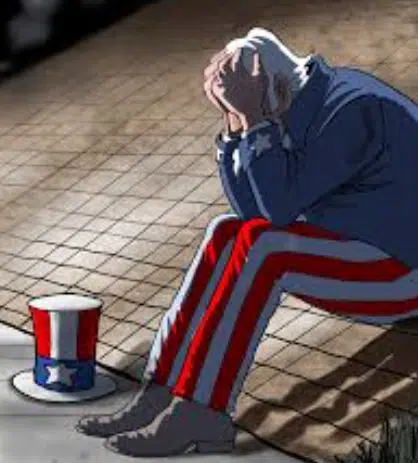

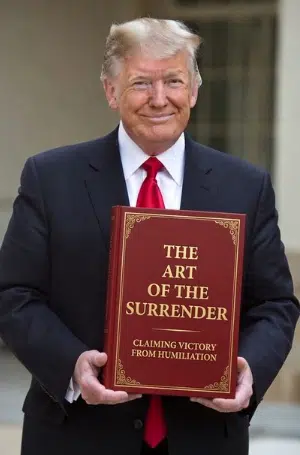
Geopolitics—an area many financial advisors either overlook or know little about—has been upended during Trump’s tenure. As I said in 2025, I believed he approached the trade war with a big stick rather than an olive branch. The consequences I anticipated have materialized: the tariffs were reversed, and he alienated many allies—justifiably or not—which left him virtually alone when the Iran War broke out. Trust me, they now are going to play a “run-out-the-clock” mentality, especially on the belief if the Democrats gain at least the House back, Trump’s remaining time will be one big quagmire, with little time to play on the world stage.
Even before the War, his trip to China produced few positive results, aside from likely gains for many business titans, including the Trump family. It also made clear that China is rising while America’s dominance as the leading world power has faded. In addition, he abandoned Taiwan; now Israel appears to be joining Taiwan in that position (Thrown under the bus).
It is not worth speculating about the Iranian deal until all the details are released, but several factors already seem clear:
- Claiming credit for reopening the Strait of Hormuz is not much of an achievement. It was already open before the war began, and it now appears likely to become a far more difficult and dangerous passage for several reasons.
- It has damaged America’s alliances with the oil-producing Gulf monarchies, whose business model depends on being islands of stability in a turbulent Middle East—damage that could take years to repair. They have openly expressed frustration at feeling under protected, especially compared with the U.S. response during the Bush-era Gulf War. Privately, their officials are already discussing diversifying their alliances and finding ways to coexist with Iran.
- It also makes it harder for the United States to deter its enemies. China will have been watching closely as the United States depleted hard-to-replace weapons supplies and ran up against the limits of its power.
- The core dispute is uranium enrichment. The official American position has been zero enrichment, while Iran’s atomic energy chief has said Iran will not accept such limits. These positions do not naturally meet in the middle. If Iran is allowed to continue enriching uranium in any manner, the result would be Obama’s JCPOA with a different label—the same deal Trump spent years calling a catastrophic embarrassment.
- Shipowners and traders remain highly cautious, demanding firm details before risking crews and cargo in a conflict-scarred waterway. Nearly 300 loaded vessels are idle in the Persian Gulf, with a similar number waiting outside it. All sorts of issues must be addressed before anything resembling what it was like before the war started. It could literally be several months.
- The agreement is not a peace deal. The full text—reportedly 14 points across two pages—has not yet been published. Its agenda is expected to address the future of Iran’s nuclear program, and the level of sanctions relief Iran would receive in exchange for concessions.
- The MOU that reportedly ended the standoff was signed without Israel or the Gulf states agreeing to its terms, leaving one major question unresolved: if Israel strikes Hezbollah the morning after the signing, what will stop Iran from closing the strait again?
I largely agree with this assessment.