

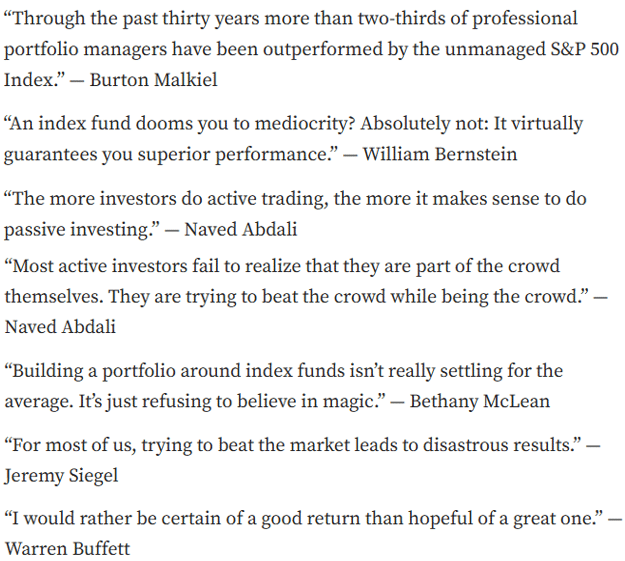
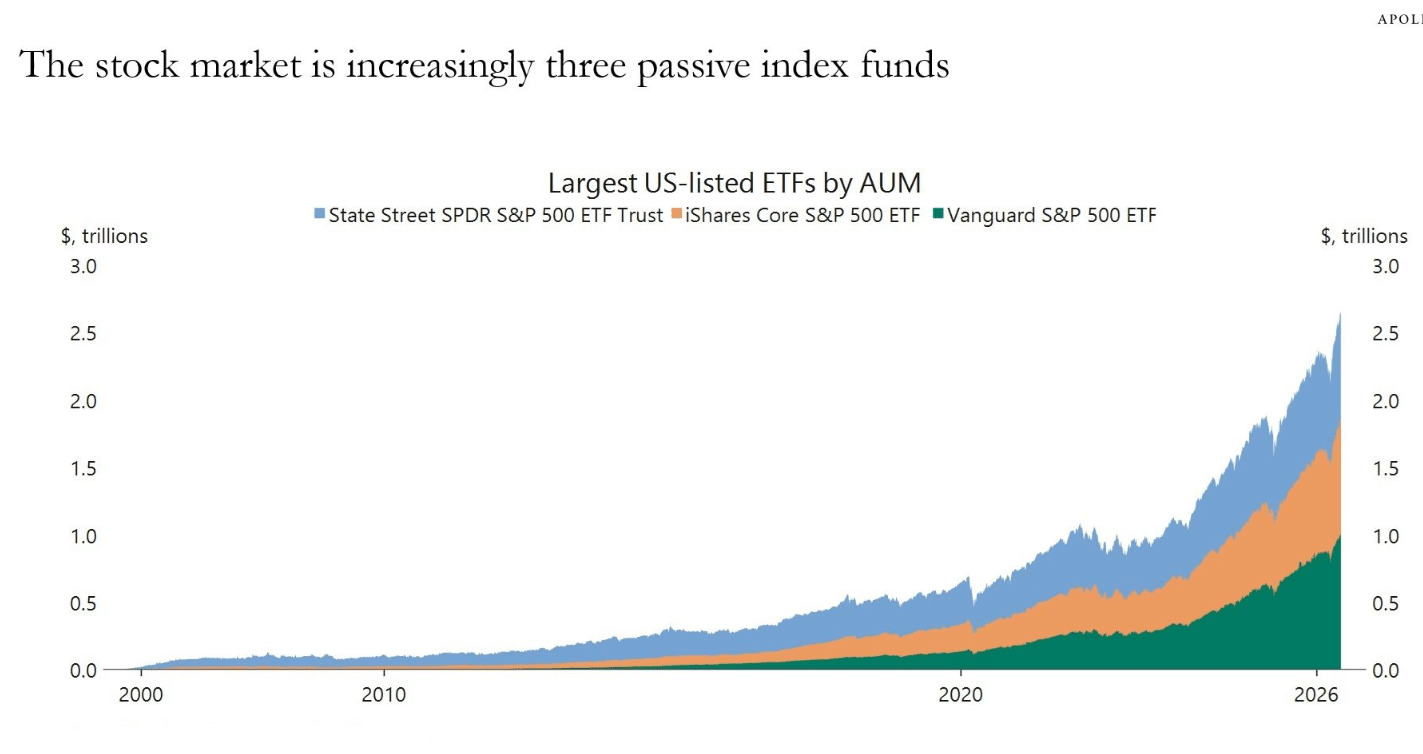
The quotes above are hard to dispute, and many individual investment advisors probably wish they were not true. As more money moves into low-cost index funds, less remains available for active management. With well over half of stock market capital now invested passively, a once-enormous pool of assets that advisors relied on has largely moved out of their reach.
My point is not to argue whether passive investing is better or worse than active management. The real question is whether passive investing is the stock market’s fountain of youth, continuing to push prices higher, or whether it is the goose that laid the golden egg—one whose hatching could help inflate the largest bubble of all time and, when it bursts, leave far more than egg on the faces of its supporters.
If I have learned anything in my 42-plus years in and around finance, it is that I will never be close to the smartest person in the room. But if I can identify those who are and ride their coattails, I can still profit handsomely.
In my view, one person has been at the forefront of this subject: Michael Green. His depth of knowledge on this topic is, to me, second to none. Yes, he has been discussing it for some time, and for that reason some have dismissed his view. But history has shown that prophets are often early—and often ignored—until it is too late.
Simply put, I believe passive investing, combined with a generation of so-called professional advisors and clients raised in a market that has felt like a one-way street, has created real risk. Many have little experience with a true bear market, and both advisors and clients are likely to overreact on the downside just as they did on the upside.
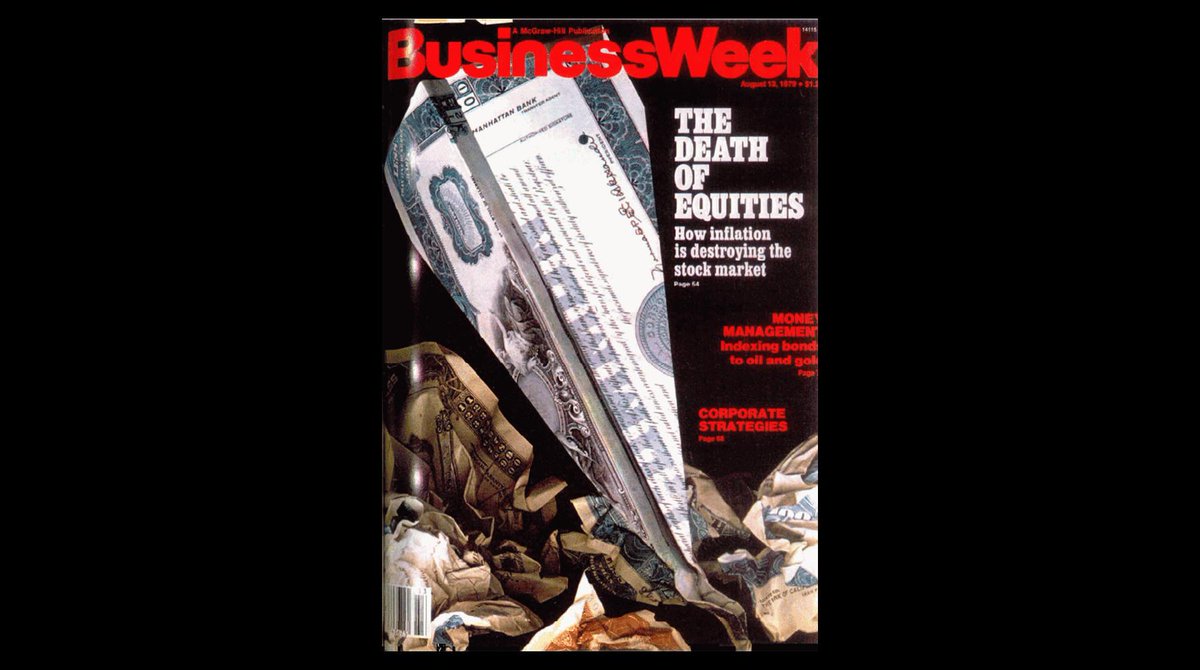
It is worth remembering that from 1966 to 1982, the DJIA traded in a range of roughly 700 to 1,000. Bearishness on Wall Street was so thick you could cut it with a knife, culminating in BusinessWeek’s famous cover story, “Equities Are Dead.” Then a little-known young man using an equally little-known technical approach declared, “The DJIA is going to 3600.” His name was Robert Prechter Jr., and his work was based on Elliott Wave Theory.
Most of Wall Street ridiculed him. “3600?” they said. “It can’t even stay above 1,000.”
Today, I believe we are 180 degrees from that era. Most investors assume the market always goes higher and that, if it hits a bump in the road, the Fed will step in and fix everything. Mention a bear market and you may be laughed at—or worse, treated as if you deserve to be tarred and feathered.
As for me, if you see a chicken in a foxhole, say hello.

Peace Be With You!
