
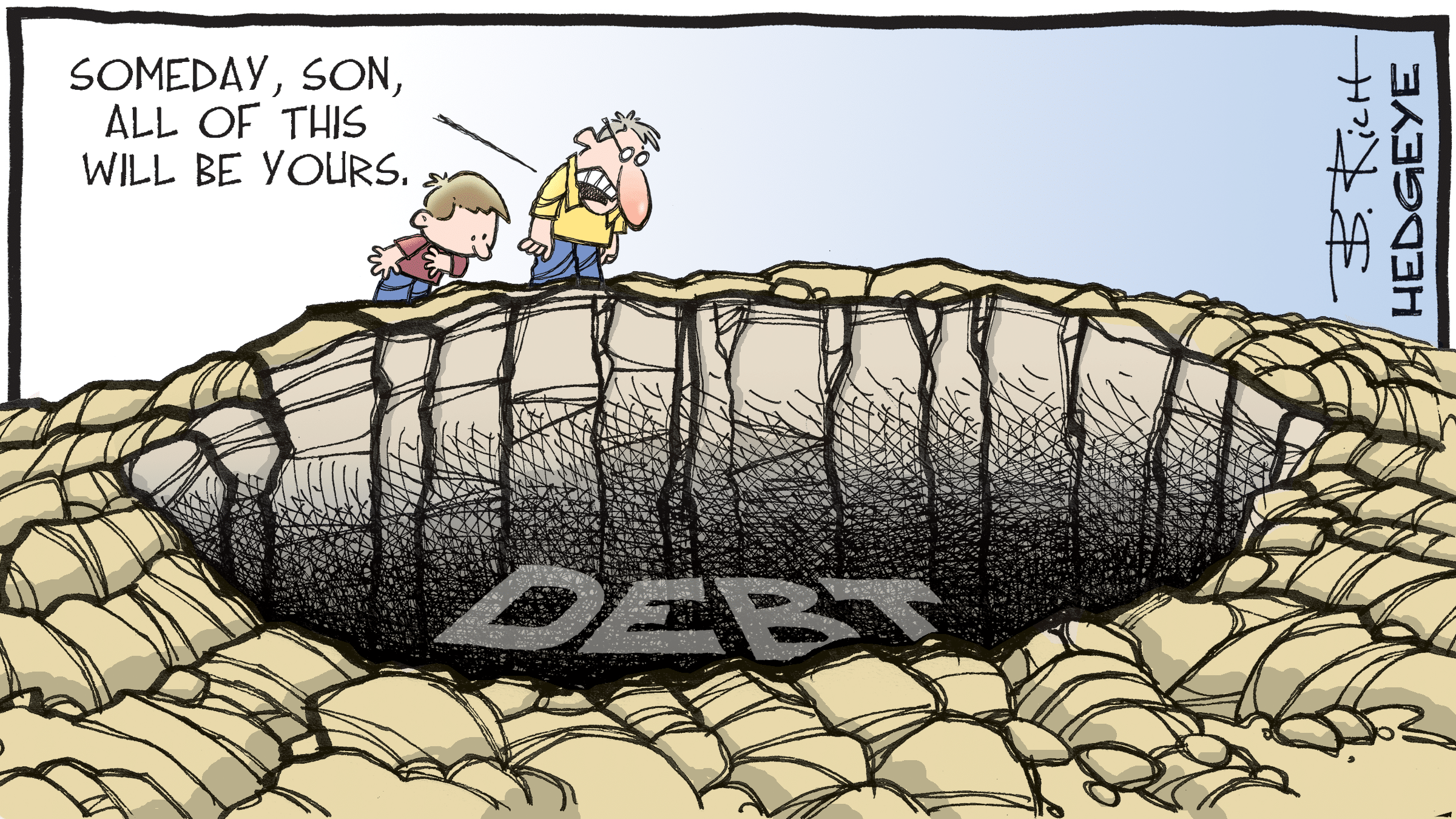
“Remember this: debt is a form of bondage. It is a financial termite.” – Joseph P. Wirthlin
Of all the many crisis now facing us, of which any one of them or a combination of two or more, are now in my mind a question of when, not if, lead to the worst ever economic, social and political era in America’s history, debt remains the most dangerous. It’s ironic that as we approach our 250th anniversary, some of out Founding Father’s warning about it have never been more timely:
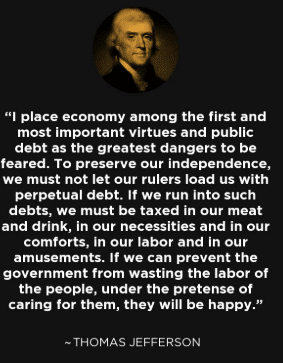
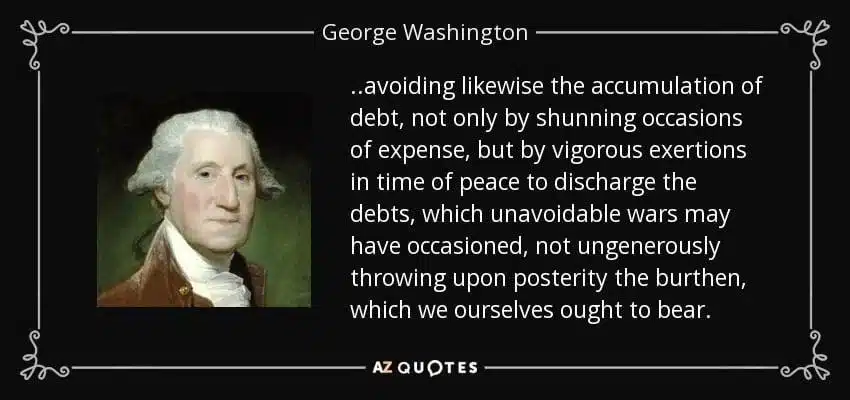
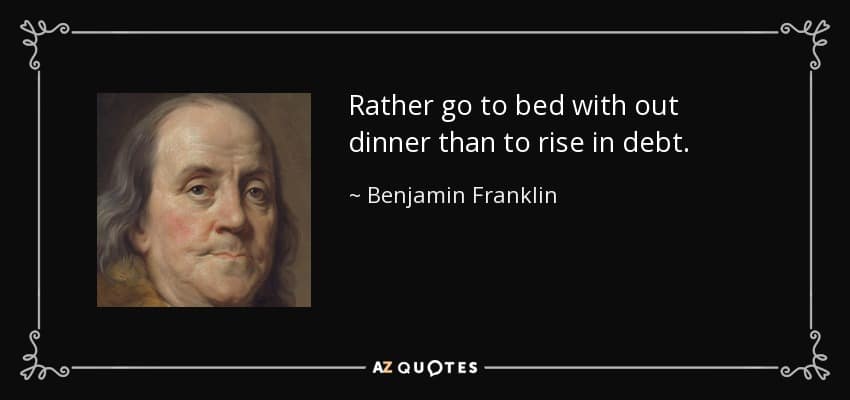
The Founders of the United States sought to build a nation that would last for generations, and they recognized that excessive debt could threaten that goal. They believed prudent public finance required the government to live within its means.
They also understood that deficits might sometimes be necessary, such as during wartime, and that borrowing could result. Even so, the Founders generally opposed debt and believed the nation’s obligations should remain limited.
In my parents’ generation, relatively few people went into debt, and our country was the world’s largest creditor nation. Today, government, corporate, and personal debt have spiraled out of control. Instead of asking, “Can we afford it?” as earlier generations did, many now ask only, “Can we make the first payment?” It is a disaster waiting to happen.
Those of us who believe the Holy Bible is the blueprint and foundation for life should recognize that it does not contain a single verse encouraging debt, but it does offer many warnings about its dangers:
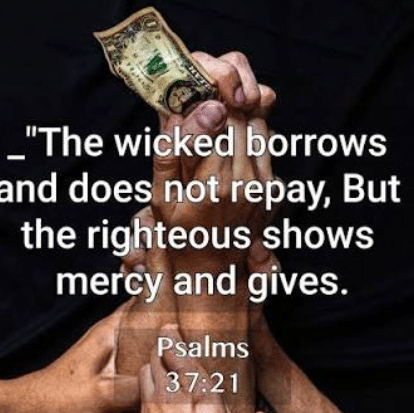
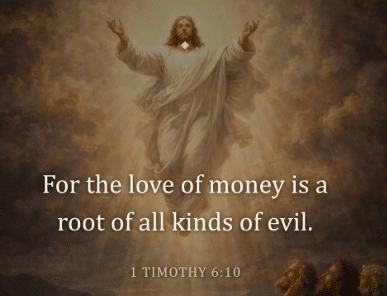
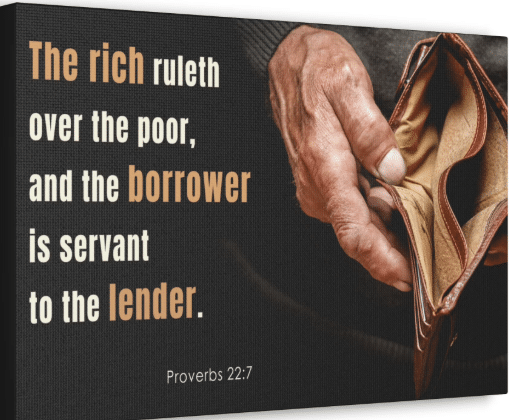
- A Biblical Perspective on Matters of Finance
- Seven Deadly Sins of Finance
- Grandich’s Ten Commandments
Many American families today live beyond their means, often relying on debt and delaying necessary expenses that become far more costly later. Before anything else, we need to put our own financial house in order by following the first golden rule: spend less than you earn. Then, continue by living within your means—or even below them.
Peace Be With You!
