

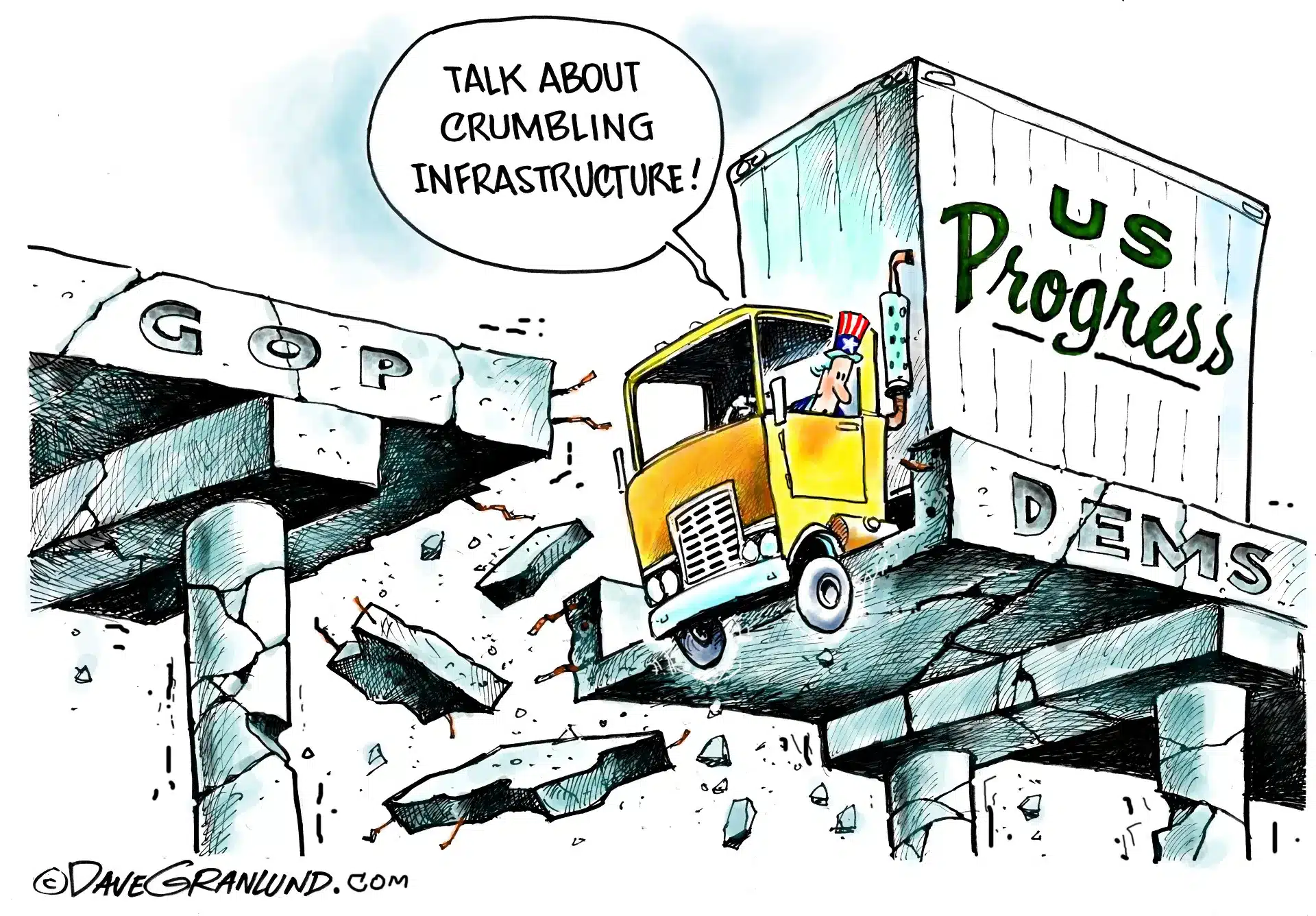
There are so many crisis in America right now, but one that few say come to mind when asked, is literally crumbling under their feet.
The United States faces a $3.7 trillion infrastructure investment gap. Despite modest improvements following recent legislative packages, the American Society of Civil Engineers (ASCE) maintains a “C” grade for U.S. infrastructure. Crumbling roads, aging power grids, a massive workforce shortage, and climate vulnerabilities continue to plague the nation.
Major Crisis Points:
• Surface Transportation: Millions of miles of roads require resurfacing and tens of thousands of bridges remain structurally deficient. Surface transportation networks have seen growing investment gaps, leading to severe highway wear and tear.
• Water Systems: Antiquated, leaking pipe networks frequently suffer from dangerous water contamination (e.g., lead), causing public health emergencies and staggering maintenance backlogs.
• Power Grid & Data Demands: Climate threats—such as flooding and extreme heat—constantly disrupt electrical grids and telecommunications. The massive surge in energy and water demands driven by artificial intelligence (AI) data centers is further straining local networks.
• Urban Disrepair: A study tracking municipal assets estimates a cumulative wear-and-tear cost of over $1.03 trillion on urban infrastructure alone
Primary Causes:
• Decades of Underinvestment: Long-term neglect and delayed maintenance have allowed core systems to degrade to the point of imminent, costly failure
• Climate Change: Extreme weather events cause billions in damages, often exceeding the design thresholds of traditional infrastructure
• Workforce Shortages: The construction and maintenance trades face a severe labor deficit, with the industry needing to immediately attract over 500,000 workers to keep pace with repair and expansion demands.
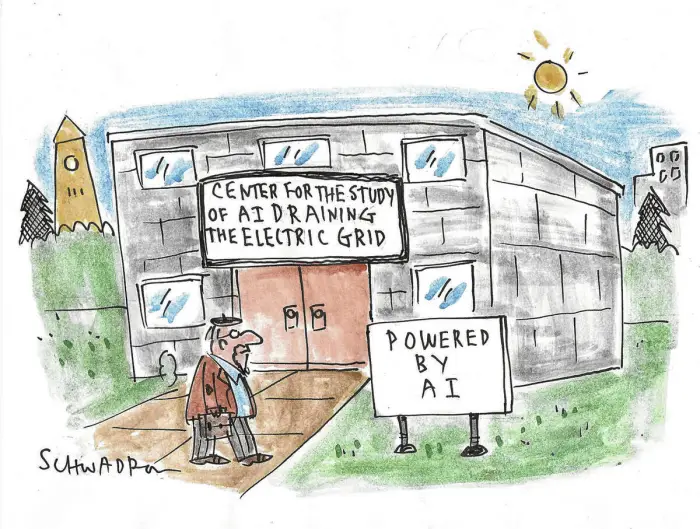
Related, but its own severe crisis is the status of our Electric grid and ability to meet the huge growing demand.
- The AI & Data Center Surge: Power-hungry data centers have triggered massive load growth, challenging the limits of local distribution networks and forcing utilities to scramble for firm generation capacity.
- Supply-Demand Imbalance: The retirement of dependable coal and older natural gas plants is currently outpacing the deployment of renewable energy and battery storage. [1]
- Aging Infrastructure: Decades-old transmission and distribution lines are increasingly vulnerable to extreme weather, cyber threats, and physical sabotage, escalating the risk of wide-scale disruptions.