


S & P 500 7,712 10yr. T-Bond 5.11% Gold $4,122
At the end of 2021, I made the most controversial recommendation of my 42-year career: sell all U.S. Treasury bonds and buy gold. I expected gold to significantly outperform Treasuries and U.S. stocks for years to come. As of today:
- Gold has risen 130%
- The S&P 500 has gained 61%
- The 10-year Treasury bond has returned −9% in total
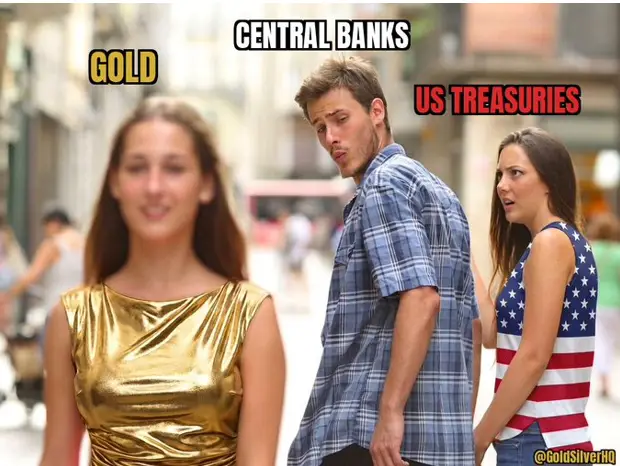
Only two of my hundreds of clients openly reported following that strategy. That was no surprise: the recommendation was unconventional then, and favoring gold over stocks and bonds remains unusual today (See – What People Have Said):
My next contrarian view is that U.S. stocks could seriously disappoint most bulls in 2027 and beyond, while metals, mining, and exploration may offer far greater upside relative to risk than most other sectors. I believe investors have until year-end to position themselves, much as those few clients did in late 2021. Though I plan to follow these sectors less actively in the new year, I feel compelled to share this outlook with clients and followers now.
First, I believe we should revisit the ground rules for navigating global turmoil and what is clearly America’s worst political, social, and economic era.
- Keep spending below earnings
- Live within your means—preferably below them
- Put capital preservation ahead of growth
- Success depends less on gains than on losses avoided.
- Better a live chicken than a dead duck

Like it or not, I believe investors must consider these core views today:
- Most financial advisors and their clients have learned to drive as if the market were a one-way street, having never experienced a true bear market during their limited time as investors. To them, every decline is a signal to step on the gas and keep going.
- Passive investing now accounts for the majority of the capital in the U.S. stock market, generating steady, nearly guaranteed inflows that can become self-fulfilling. Until those flows slow or reverse, they can support a relatively small group of stocks and create a false sense that all is well. I believe the major issues outlined shortly could cause that reversal in 2027.
- Sadly, I believe many financial advisors could be thrown from the top of the Empire State Building and say the same thing all the way down: “So far, so good.”
This is my outlook for 2027 and beyond, alongside the views I share on my blog, X page, and YouTube channel.
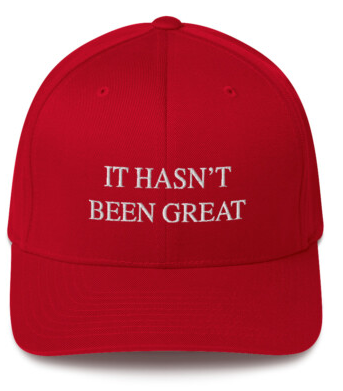
Politics at home and abroad will influence markets more than ever. U.S. elections could have a much greater impact than many now expect: https://petergrandich.com/the-beginning-of-the-end-one-month-from-today/
My ten greatest concerns continue to worsen: https://petergrandich.com/my-ten-most-worrisome-factors/. Sadly, this additional concern could join the top ten in 2027: https://petergrandich.com/__trashed-7/
I’ll discuss this further on my X page. As for my outlook on metals, mining, and exploration, I find particular reassurance in this man’s agreement:
As a reminder, beginning January 1, 2027, I will no longer discuss individual equities or provide ongoing follow-up in any regular or semi-regular basis (other words, don’t count on hearing from me again on it). For now, I will share this:
My four speculative investments—each of which could result in a partial or total loss of capital, but also offers potential gains of 300%–1,000% over the next 1–3 years—are:
Northisle Copper & Gold (NTCPF, $2.23): I own 5.5 million shares. Of the four, this is the absolute must-own.
Radisson Mining (RMRDF, $0.73): I own 4.5 million shares. This is the most likely of the four to be acquired first.
McFarlane Lake Mining (MLMLF, $0.33): I own 4 million shares. It combines the strongest qualities of the other three.
Group Eleven Resources (GRLVF, $0.53): I own 3 million shares. Each new drilling result adds to the excitement.
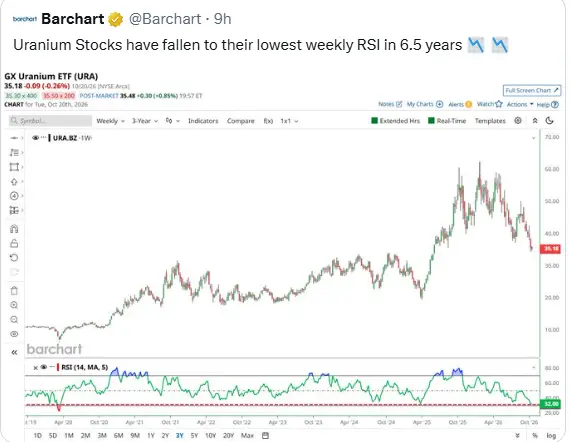
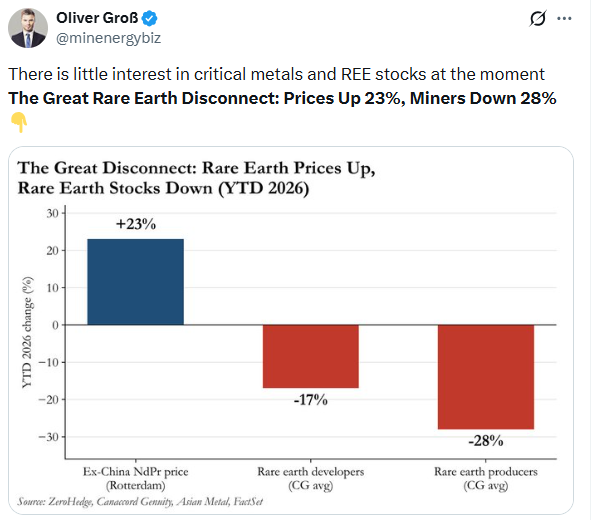
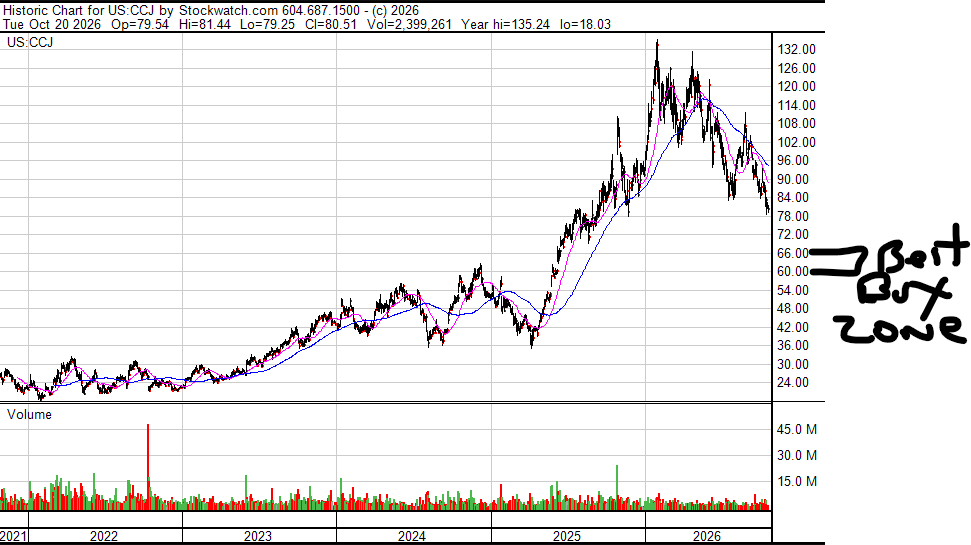
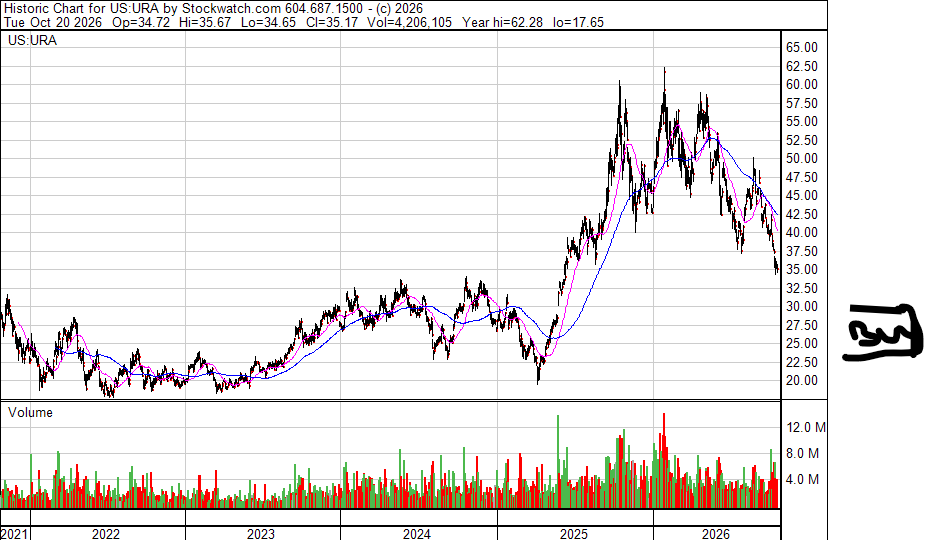
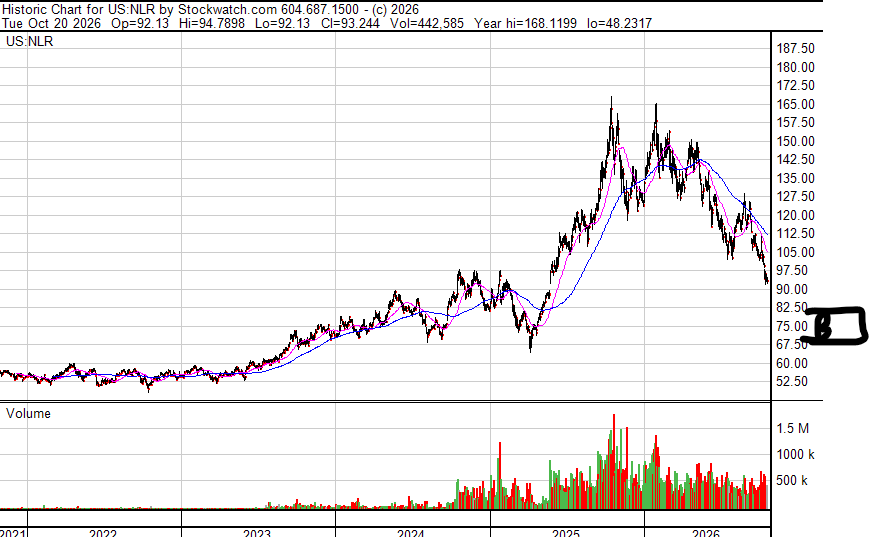
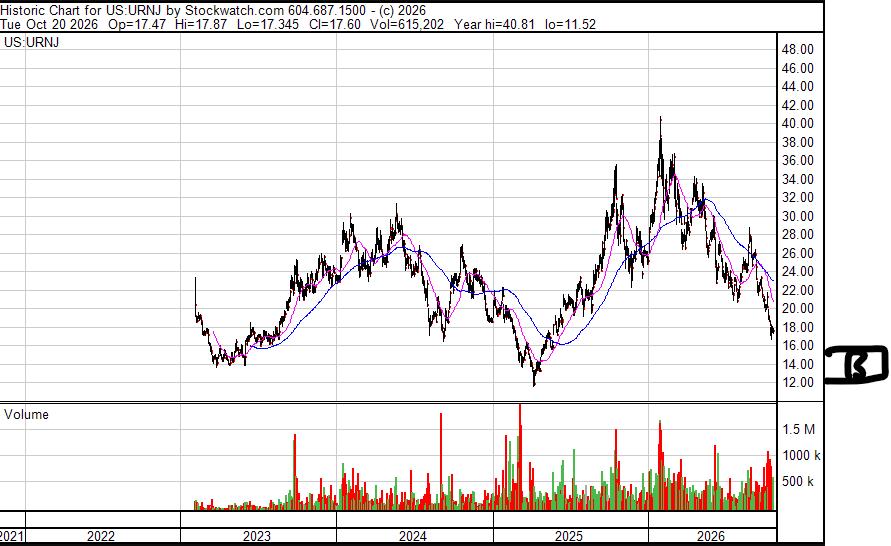
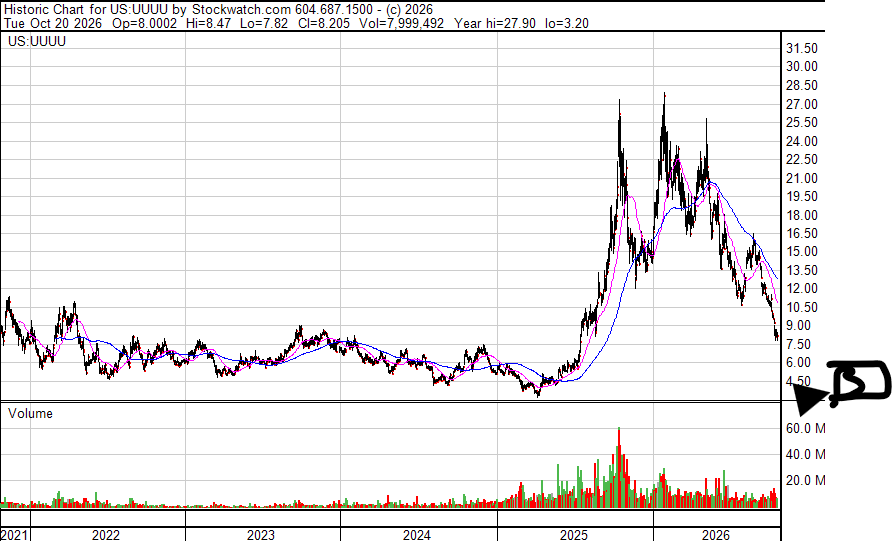
After achieving triple-digit gains twice across all my uranium stock picks over the past decade, I believe prices have fallen enough to warrant adding these stocks to a diversified metals portfolio. Each investor should choose the stocks, entry points, and accumulation strategy—by price, dollar amount, or timing—that best fit their circumstances. Although these deeply oversold stocks could stage a strong technical rebound, widespread losses also make them likely targets for tax-loss selling, and they may decline by double digits before year-end.
At the technical levels I identify, I would want to own them without hesitation.
My personal investing theme song:

