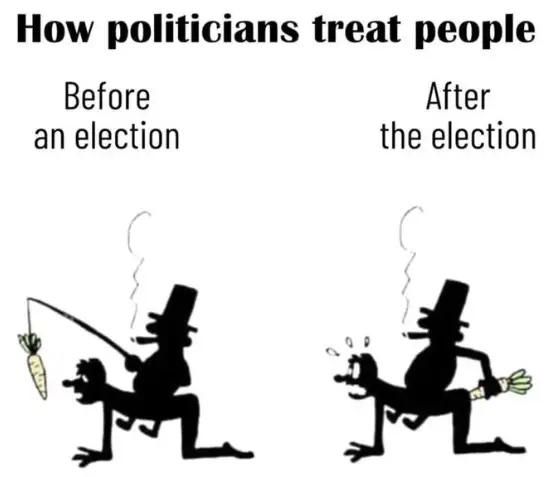

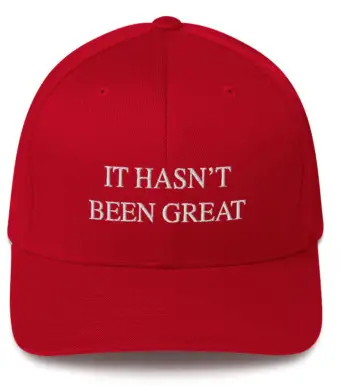
Twenty-four months ago, the country was failing miserably on so many fronts that it was quite understandable for any good American to want to make it great again. Many felt it could with the election of Donald Trump. At the very least, the great slide economically, socially, and politically would stop, if not be reversed.
Sadly, outside of the horrific immigration invasion being halted, most else that many felt would be achieved failed or fell well short of the mark. This realization, IMHO, is going to help lead to a dramatic political shift even further to the left than before, and it will greatly impact financial markets, too.
Monday-morning quarterbacking will discuss the reasons for what has to be described as a net failure on the part of Trump, and most of the issues folks voted him in on, in hopes of making things better, will be shown as some of the reasons. But none will be as big as the Iran War, which has damaged Trump’s approval ratings, consumed his presidency, and darkened the GOP’s prospects.
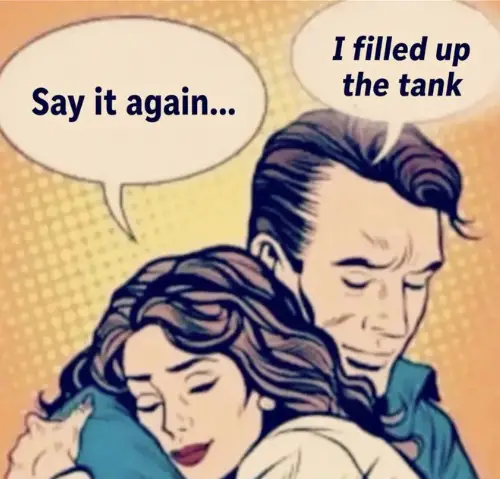
It’s obvious to most that the Iran War has driven up prices at the pump. On the eve of the war, regular gasoline averaged $2.98 per gallon. Today, the average price is $4.50. Even worse is diesel. Americans are notoriously averse to high gasoline prices and have punished presidents over the issue, sometimes even when the president can’t justifiably be blamed. The sharp rise has greatly contributed to another hot-button election topic: affordability—seeing the ultra-rich get richer while most Americans struggle to hold their own or slip into an abyss-like status. The “Golden Age” Trump and his crew try to tout is little more than brass to most Americans.
I suspect the GOP’s losses will be across national, state, and local boundaries and will only drive the anti-Trump crowd to new lows in its quest to rid itself of him. Given his enormous ego and inability to say he was wrong, I see him as unable to finish out his term, issuing Biden-like pardons to many and then resigning with a full pardon from Vance.
Because soon after Election Day we enter the holiday season, from Thanksgiving to New Year’s Day, the typical no-bah-humbug mood will resonate on Wall Street. These anticipated election results will only take hold as we get into 2027.