
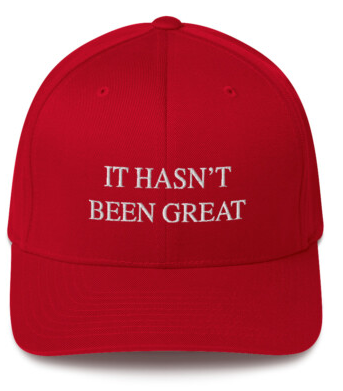
As we get closer to them, the upcoming Midterm Elections will become a major driving force to financial markets here and abroad.
In March 1984, less than a week after becoming a licensed stockbroker, my sales manager called me into his office and said success meant avoiding three topics with the public:
1 – Politics
2 – Religion
3 – Other men’s wives
I stopped avoiding the first two topics long ago, and I still do not know whether he was joking about the third.
I have often said that much of the financial services industry is filled with salespeople who avoid saying what they truly believe. Instead, they tell clients what they think will close a sale. I have long described many media talking heads as part of the “Don’t Worry, Be Happy” crowd. In my view, if you pushed them off the top of the Empire State Building, they would keep saying, “So far, so good!” on the way down.
Politics—especially geopolitics—is an area many financial advisors understand only superficially, often just enough to avoid sounding uninformed. As I was told in 1984, avoiding the subject can be smart salesmanship. In business, it can quickly become a no-win topic.
For me, politics—especially geopolitics—is essential to macro analysis. In today’s environment, it is likely affecting several markets in the U.S. and abroad. To understand how midterm elections can influence stock market performance, consider the following:
Every midterm election year in the past 50 years has included a market drawdown:
1974 Ford: -35%
1978 Carter: -15%
1982 Reagan: -17%
1986 Reagan: -9%
1990 Bush: -20%
1994 Clinton: -8%
1998 Clinton: -22%
2002 Bush: -34%
2006 Bush: -8%
2010 Obama: -17%
2014 Obama: -7%
2018 Trump: -20%
2022 Biden: -27%
2026 Trump: ???
Thirteen midterm years. Thirteen market declines.
Average intra-year drawdown: about 17%.
In my view, these ten key bearish factors are already in place, and Election Day will be just as important.
Before explaining why, let me show how I arrived at this view.
At the end of 2021, with Covid still affecting the world and the U.S. creating trillions of dollars seemingly out of thin air, I concluded that Treasury Bonds were a poor choice for the foreseeable future and would likely lose money, while gold would outperform both bonds and broader equities for several years.
De-dollarization and the weaponization of the U.S. dollar strongly reinforced that view.
Since January 1, 2022:
Gold is up 150%
S&P 500 is up 77%
10YR. T-Bond total return is down 4%
That view strengthened after Trump took office and imposed tariffs on much of the Western world, despite knowing they were unlikely to survive Supreme Court review. In my opinion, he was unconcerned; his already enormous ego grew as he cast himself as the self-appointed judge and jury of fairness in trade and other geopolitical matters. I argued that this approach would accelerate de-dollarization, alienate many allies, and make them less likely to support the U.S. in the future. The conflict in the Middle East showed that risk was real. Another critical factor is that many countries he angered had long been buyers of U.S. debt but have since become sellers, leaving Americans to absorb more of their own government’s debt.
Throughout 2025, I said that taking a “big stick” into a trade war instead of offering an “olive branch” would be a major economic blunder for Trump. I did not expect him to top that with what I believe may prove worse than the Vietnam and Afghanistan wars as one of America’s worst military, economic, and political decisions, the Iran War. Together, those two factors—along with the following major Trump-related disappointments—shaped my view:
- He promised to drain the swamp, yet few, if any, of the opponents his voters wanted brought to justice were actually held accountable. Draining the Lincoln Memorial Reflecting Pool does not count.
- The Epstein files: Trump initially supported releasing all files and names, and his first attorney general even said she had seen the files on her desk. Yet no meaningful names were released. Trump then said it was time to move on, creating the impression that there were parts he did not want made public.
- He and his family made billions for themselves and their friends—not behind closed doors, as with the Bidens or Clintons, but openly and directly.
- Costs for essentials such as gas and food rose instead of falling, despite his campaign promises.
There are several others, and I believe they will be reflected in the November elections. But the issue that troubles me most is this:
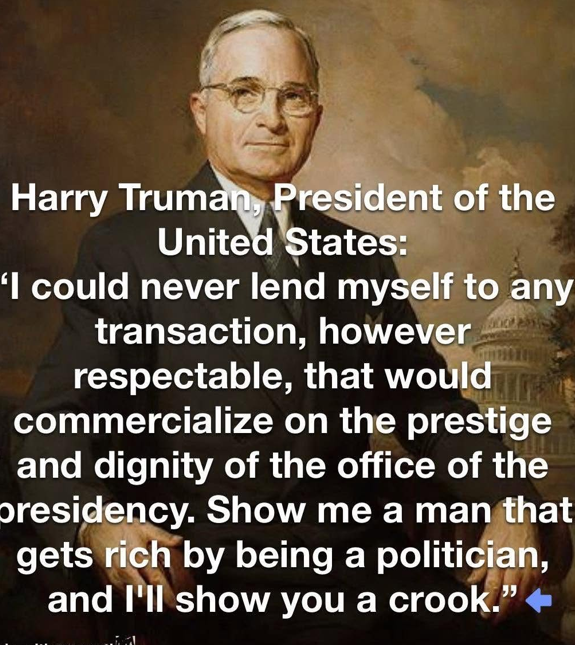
For the record, I voted for Trump all three times. Even with serious disappointment, I still would not have voted for Clinton or Harris (Lesser of Two Evils – at least I thought at the time). In his early days, when I praised what I hoped would be the first of many major accomplishments—fixing the border—those with TDS criticized me. Later, when he began to falter and fail, MAGA supporters accused me of having TDS.
If Democrats take the House, I do not see Trump remaining in office for more than six months after they gain control. I believe he would issue a wave of pardons, as Biden did—or as whoever was acting like Biden did—and then arrange to be pardoned himself after resigning.
I believe America has entered its worst-ever economic, social, and political era, and that decline would accelerate sharply if what we once called “Democrats” return to power:

I also believe if they somehow gain the House and Senate, we’re even closer to this:
